Case Study
Functional Medicine Approach to Eczema and Psoriasis in a 17 Year-Old Boy
A Clinician's Guide to Patient Recovery
This case study is a classic example of how gut health can impact common skin conditions, such as eczema and psoriasis, as well as food sensitivities and allergies. It clearly illustrates how stool testing can reveal key underlying drivers of skin inflammation and reactivity, poor detoxification and a dysregulated immune system.
The test results provided a clearer framework for targeted intervention and helped guide a structured, stepwise treatment approach aimed at restoring gut balance and reducing systemic inflammatory burden.
Client Background
- Age/Gender: 17 / Boy
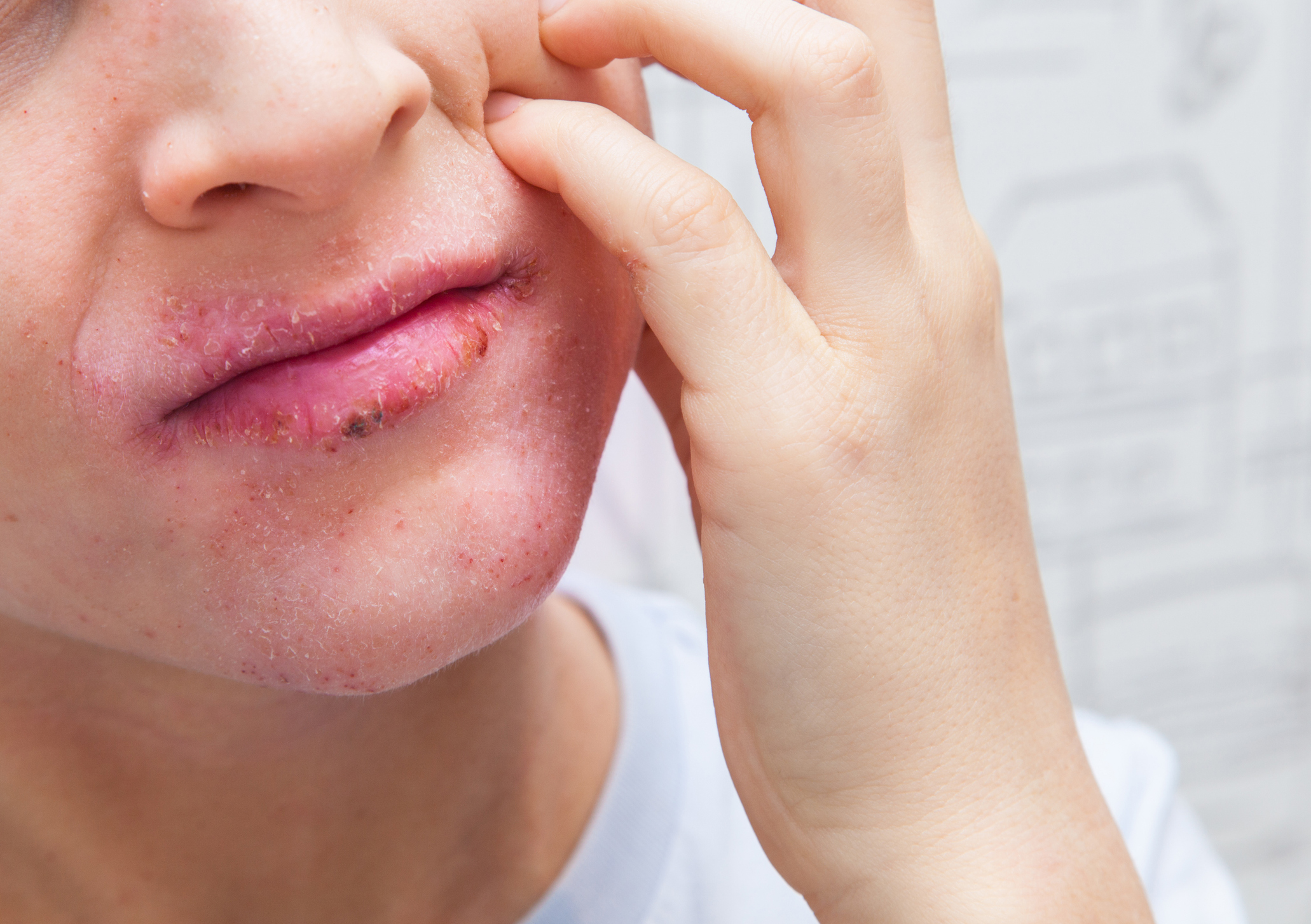
- Primary Concerns: Intensely itchy, dry, and inflamed skin, much like Eczema or Psoriasis
- Additional Symptoms: Fatigue
- Diagnosis: Eczema, Psoriasis
Symptoms at Presentation
- Skin: Eczema, Psoriasis
- Digestive: None
- Energy and Sleep: Severe, persistent physical and mental exhaustion
- Allergy: Allergies to vaccines and food sensitivities
There are several factors at play in this case study. A history of in-utero infection, infantile infections requiring antibiotics, vaccinereactions, genetic propensity for poor detoxification, nutrient deficiencies, high intake of processed food during teenage years.
Relevant History
- Mother infected with Hepatitis C during pregnancy (infected blood scandal)
- Frequent use of antibiotics during infancy - chest infections, skin infections
- Vaccine reactions incliding Encephalitis MMR, Atopic skin and Whooping Cough
- Stress at school
- Diet of highly processed food, working in McDonalds gives easy access to fast food
- Nutrient deficiencies in Iron, B12, and Folate
Functional Testing: GI Effects
A stool test was chosen in this case to provide an objective assessment of gut function and microbial balance in a patient presenting with eczema, psoriasis, and evidence of systemic inflammation, where gut involvement was strongly suspected despite relatively non-specific symptoms.
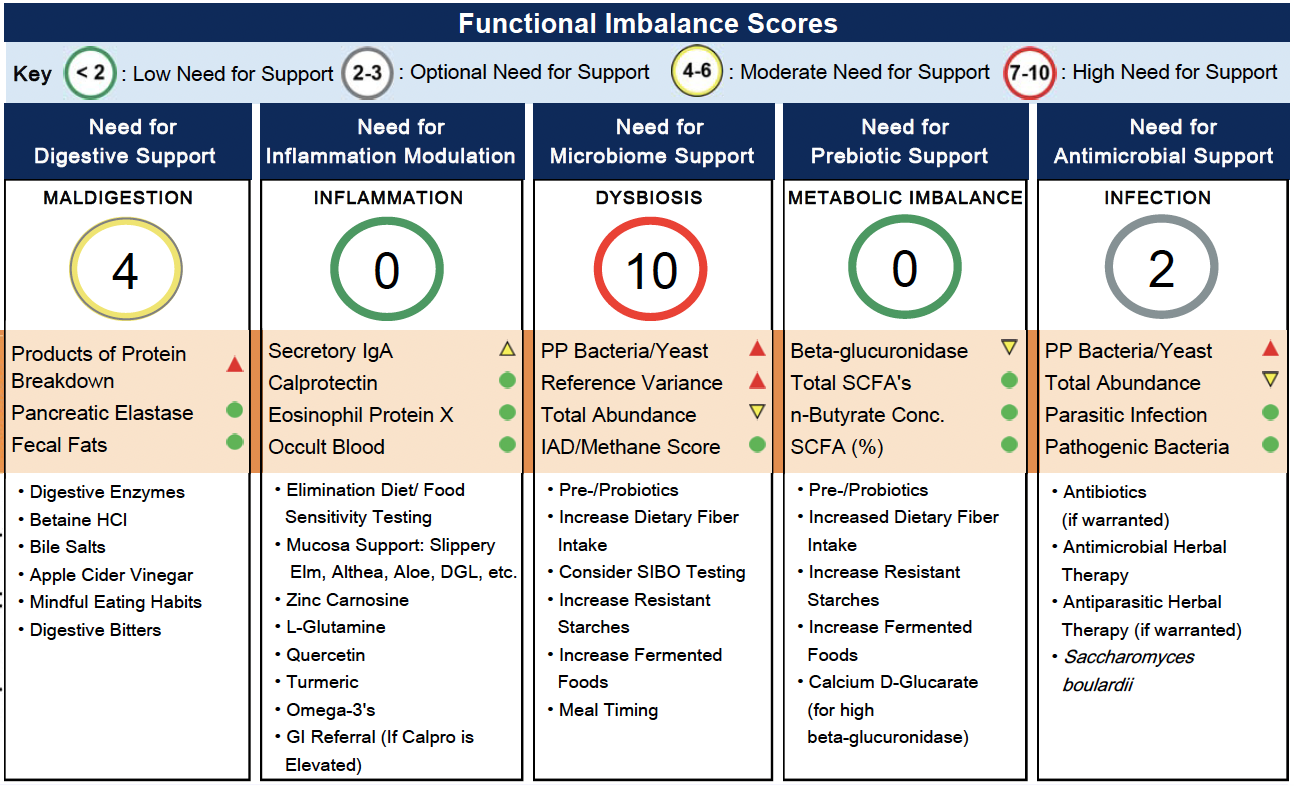
This included evaluating commensal bacterial diversity, detecting opportunistic organisms such as yeast and pathogenic bacteria, and assessing markers of gut inflammation, immune activity, and protein fermentation. Given the possibility of dysbiosis, opportunistic microbial overgrowth, altered immune activity, and impaired digestion, stool analysis allowed for a more detailed understanding of the underlying drivers that would not be visible through symptoms alone.
Key Findings
- High Products of Protein Breakdown: Indicates protein maldigestion and malabsorption resulting in colonic protein fermentation
- Presence of Potentially Pathogenic Bacteria and Yeast: The Providencia alcalifaciens and Citrobacter spp are both organisms that can cause gut barrier dysfunction - very significant in relation to skin health and food sensitivities. There was also high presence of yeast species, which can also indicate fungal overgrowth.
- Low Presence of Beneficial Bacteria: There is a significantly low presence of organisms that are anti-inflammatory and protective of gut barrier function, as well as helping to keep pathogenic organisms in check.
- Eosinophil Protein X: Mildly high EPX indicating potential food sensitivities/allergies driving an inflammatory reaction.
- sIgA: Very low levels of sIgA. This is a non-specific marker of inflammation and I would expect to see this significantly elevated in relation to the presence of potentially pathogenic bacteria. Having low levels when there is a high presence of opportunistic organisms means that some gut barrier support is needed.
The results point to a gut environment that has become less balanced, less protected, and less able to keep opportunistic microbes in check.
Anastasia Smith, Registered Nutritional Therapist, Certified Functional Medicine Practitioner.
Theraputic Approach
Low Histamine Diet
Recommendation to lower histamine as eczema and psoriasis are often signs that immune and barrier systems may have reduced tolerance to histamine load and mast-cell signalling. The indication of poor gut barrier function in the stool test results demonstrate that this kind of intervention could be therapeutic in improving skin.
Gluten and Dairy Free Diet
A temporary gluten- and dairy-free approach may help reduce overall immune and inflammatory burden in someone with significant dysbiosis, elevated EPX, eczema, and psoriasis, particularly where gut barrier dysfunction and mucosal immune activation are suspected. In some individuals, gluten and dairy proteins can act as non-specific immune triggers that amplify gut and skin inflammation, even in the absence of true allergy or coeliac disease. Removing them short term may help reduce antigenic load, improve stool consistency and skin symptoms, and create a calmer inflammatory environment while underlying gut dysbiosis and barrier function are addressed.
Increase Nutrient Density and Diversify Fibre Intake
Increasing nutrient density through foods such as red meat, eggs, and fish can help support adequate intake of highly bioavailable iron, vitamin B12, zinc, choline, and essential fatty acids, which are important for immune regulation, skin integrity, energy production, and overall metabolic health. At the same time, diversifying fibre intake from a wide range of plant foods can help support a healthier gut microbiome by increasing microbial diversity and promoting production of beneficial short-chain fatty acids that support gut barrier integrity and reduce inflammation. Together, this approach aims to improve both nutritional status and gut ecology in the context of dysbiosis and chronic inflammatory symptoms.
Remove Sugar and Processed Foods
Removing sugar and ultra-processed foods helps reduce the main fuel sources for opportunistic organisms such as yeast and certain dysbiotic bacteria, which were present in this case. These foods also promote protein fermentation and the production of inflammatory microbial metabolites, which can contribute to gut irritation and systemic inflammation. In addition, highly processed foods can disrupt gut barrier function and further impair microbial balance. Reducing them therefore lowers microbial 'pressure', helps calm gut inflammation, and creates a more stable environment for beneficial bacteria to recover and for symptoms such as skin flares and low energy to improve.
Supplement Protocol
B Complex: To support energy production, methylation, nervous system function, and immune regulation, while helping address potential deficiencies or increased nutrient demands associated with chronic inflammation, dysbiosis, and restricted dietary intake.
Broad-Spectrum Hherbal Antimicrobial (Biocidin): Used short term (6-8 weeks) to help reduce overgrowth of opportunistic bacteria and yeast identified on stool testing, support rebalancing of the gut microbiome, and lower microbial-driven inflammatory signalling without long-term disruption of commensal flora.
Saccharomyces Boulardii: A beneficial probiotic yeast used to help support gut barrier integrity, reduce colonisation by opportunistic organisms, improve stool consistency, and promote a healthier microbial environment during and after antimicrobial support.
Vitamin D3: To support immune modulation, skin health, barrier integrity, and inflammatory regulation, particularly relevant in the context of eczema, psoriasis, and chronic immune activation.
Omega-3 Fatty Acids: To help reduce systemic and gut-related inflammation, support skin barrier function, and promote a more balanced immune response through their antiinflammatory effects on cytokine and eicosanoid pathways.
Results After 4 Months
The patient has experienced significant improvement in skin health, with substantial reduction in eczema/psoriasis symptoms since implementing dietary and gut-support interventions. Skin flare-ups now appear to occur mainly in response to processed, high-sugar foods, suggesting improved baseline inflammatory control with identifiable dietary triggers.
He has also reported improved energy levels and better overall functioning at work, indicating broader improvements in metabolic and inflammatory health.
This case shows how stool testing can help identify why long-standing symptoms such as eczema, psoriasis and low energy, may be occurring, even when digestive symptoms don't look severe on the surface.
Anastasia Smith, Registered Nutritional Therapist, Certified Functional Medicine Practitioner.
Ongoing Long-Term Plan
Reintroducing Higher-Histamine Foods
Once symptoms and gut function have stabilised, gradually reintroducing higher-histamine foods can be useful to test true tolerance and avoid unnecessary long-term dietary restriction.
In many cases, histamine sensitivity improves as gut inflammation settles and microbial balance is restored - so reintroduction helps distinguish temporary reactivity from a persistent intolerance.
Supporting Gut Repair
At the same time, maintaining a diet that prioritises:
- Nutrient-dense foods (red meat, eggs, and fish)
- Diverse fibre source
- Reduced sugar and processed foods
...supports ongoing repair of the gut microbiome, improves short-chain fatty acid production, and helps sustain lower inflammatory signalling.
Re-Testing Nutrient Status
Finally, re-testing nutrient status after around 3 months allows objective reassessment of key markers - including iron, B12, vitamin D3, and folate - to confirm recovery and guide whether further nutritional support or dietary adjustments are needed.
Takeaways
This case shows how stool testing can uncover the root causes behind long-standing issues like eczema, psoriasis, and low energy - even when digestive symptoms seem mild.
Testing revealed low beneficial bacteria, reduced gut immune protection, high inflammation, and overgrowth of opportunistic organisms, alongside signs of excess protein breakdown - a gut environment struggling to keep itself in balance.
The approach was staged: a short course of herbal antimicrobials reduced the overgrowth, while dietary changes (cutting processed sugars, increasing fibre diversity) starved the problem organisms and fed the beneficial ones. Probiotics and gut supportive nutrients then helped rebuild balance.
Over time, this led to better gut stability, clearer skin, and more energy - with flare-ups now mostly tied to high-sugar, processed eating.
Stool testing doesn't just identify imbalances, it can guide a clear, step-by-step plan to reduce overgrowth first, then rebuild a resilient gut for lasting results.
Testing Used in This Case Study
Get educational resources in your inbox!
This article is for educational purposes only and is not medical advice or a substitute for professional diagnosis or treatment.