Beyond the Low-Histamine Diet
What's Really Driving Histamine Intolerance and How Testing Can Help
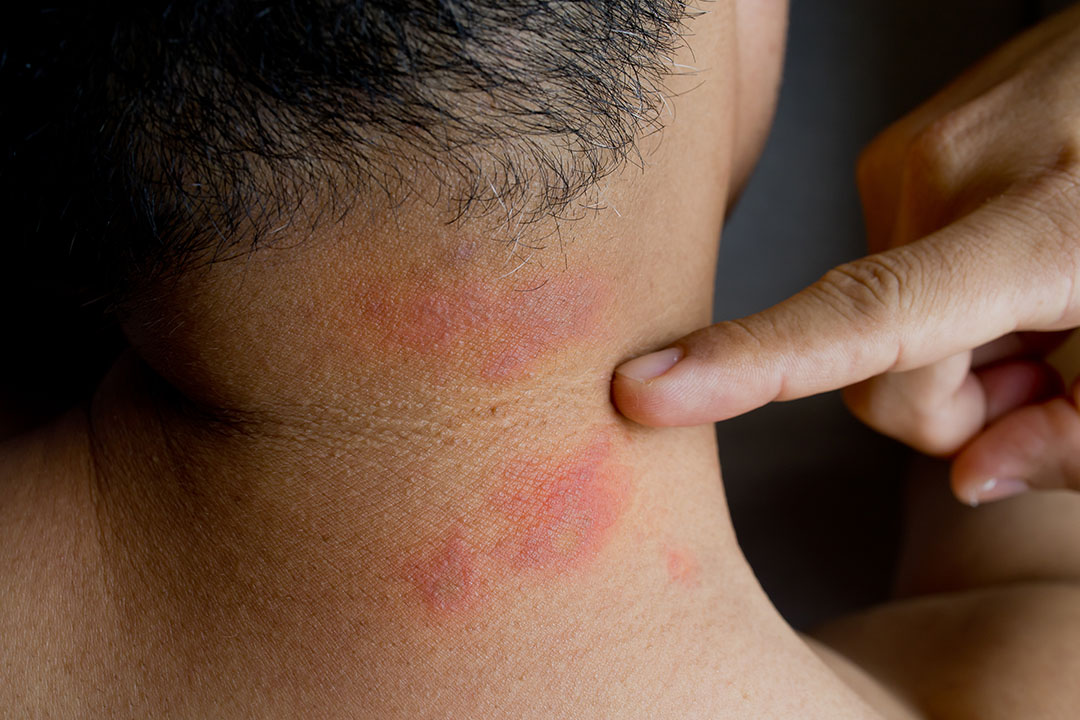
If you work with patients who react to wine, aged cheese, leftovers, or fermented foods with symptoms such as headaches, flushing, hives, digestive upset, or a racing heart, then you will likely have introduced them to the idea of histamine intolerance.
The standard first-line approach, a low-histamine diet, can be particularly restrictive for your patients and not significantly improve symptoms. Symptoms often improve a little, then plateau. The list of "safe" foods shrinks. The client becomes anxious around eating and underneath it all, the question that actually matters is still unanswered: why is this person accumulating excess histamine in the first place?
Histamine intolerance isn't a diagnosis so much as a downstream effect - a sign that either too much histamine is being made, accumulating or released, or too little is being broken down adequately. A low-histamine diet only ever partially addresses this. It doesn't consider other contributing factors such as dysbiosis, parasitic infection, enzyme insufficiency, nutrient depletion, hormonal influence, or mast cell reactivity. Real, lasting change means investigating those drivers and often using testing can be an invaluable way to support your patient in cases such as these.
What Histamine Does (and Why the Body Needs it)
Histamine isn't a toxin the body is trying to avoid nor is it the 'bad guy' that social media seems to make it out to be. It is actually an important signaling molecule with essential jobs in which it is involved. It helps regulate stomach acid secretion and digestion, acts as a neurotransmitter involved in wakefulness and cognition, and is a key player in the immune system's response to injury, allergens, and pathogens. It is released mainly by mast cells and basophils but can also be produced by bacteria found in the gut. Problems arise not because histamine exists, but because there is an imbalance between histamine load and histamine breakdown capacity.
How the Body Breaks Down Histamine
There are two principal enzymatic routes for clearing histamine which are key to understanding why dysfunction may occur.
Diamine oxidase (DAO) is produced mainly by the cells lining the small intestine (with additional production in the kidneys) and works extracellularly both in the gut lumen and bloodstream. DAO is the primary route for breaking down histamine derived from food, from gut bacteria, or from the gut lining itself. When people talk about "histamine intolerance," they are usually referring to a DAO issue: not enough enzyme activity to keep pace with histamine load.
Histamine N-methyltransferase (HNMT) works inside cells, particularly in the liver, kidneys, and central nervous system, and clears histamine by methylation rather than oxidation. HNMT activity, being dependent on methylation, is tied to the body's broader methylation status which depends on adequate B12, folate, and SAMe availability, and can be influenced by common genetic variants (such as those affecting MTHFR) that shape overall methylation capacity.
Both pathways can be genetically or functionally compromised which is why addressing histamine is more than merely introducing a low-histamine diet.
What Drives Elevated Histamine
This is the part a low-histamine diet skips entirely. Below are the main contributors worth investigating in a client whose symptoms suggest histamine intolerance or mast cell involvement.
Gut Bacteria and Dysbiosis
Several bacterial species are capable of producing histamine themselves, via histidine decarboxylase activity, and an overgrowth of these species, whether in general dysbiosis or specifically in SIBO (small intestinal bacterial overgrowth), can meaningfully raise the histamine load the gut has to process, independent of what's on the plate.
Parasites and Other Gut Pathogens
Protozoal infections such as Giardia and Blastocystis hominis have been associated with reduced DAO activity and ongoing mucosal inflammation, likely because they damage enterocytes that produce DAO and that maintain integrity of the mucosal membrane. A client with unresolved histamine symptoms despite dietary interventions is always worth screening for parasitic and other gut infections.
Intestinal Permeability and Mucosal Damage
DAO is made by the enterocytes lining the small intestine so anything that damages that lining, for example dysbiosis, infections, coeliac disease, IBD, chronic inflammation, or 'leaky gut', can reduce the amount of DAO being produced in the first place. This creates a persistent issue - gut damage lowers DAO, lower DAO allows more histamine to persist, and that histamine further irritates an already-inflamed gut lining.
DAO Insufficiency, Genetic and Acquired
Some individuals carry variants in the AOC1 gene (which codes for DAO) that reduce baseline enzyme activity. A genetic predisposition that may sit quietly until an acquired trigger (illness, gut infection, pregnancy, alcohol) tips the balance resulting in sudden onset of symptoms. Others develop functional DAO insufficiency purely through gut damage or nutrient depletion, with no genetic component at all.
Nutrient cofactor status
DAO is a vitamin B6 (as its active form, P5P), copper, vitamin C and zinc-dependent enzyme. Genuine deficiency or insufficiency in any of these cofactors may affect DAO activity even when enzyme production itself is normal. HNMT enzyme function is reliant on adequate methylation so addressing folate, B12, methionine, etc. is incredibly important.
HNMT Dysfunction
Beyond nutrient status, genetic variants in the HNMT gene itself can reduce intracellular histamine clearance, and this pathway is worth considering particularly in clients whose symptoms tend to be more neurological (headaches, insomnia, anxiety-type symptoms) than gastrointestinal, since HNMT is the dominant route in the central nervous system.
Medications
A number of common drug classes are known to inhibit DAO activity, including several NSAIDs, some antidepressants, certain antihypertensives, mucolytics, and some antibiotics. A thorough case history should always include a medication review, since this can be one of the more straightforward, reversible pieces of the puzzle.
Hormonal Influence, Particularly Estrogen
Estrogen both promotes mast cell histamine release and appears to inhibit DAO activity, which is a major reason histamine-type symptoms so often cluster around ovulation, the luteal phase, pregnancy (and its dramatic post-partum drop-off), and perimenopause. Progesterone, by contrast, tends to have a stabilizing effect on mast cells. This is a critical line of enquiry for female clients whose symptoms are cyclical rather than constant and a strong consideration when addressing symptoms in perimenopausal and menopausal women.
Mast Cell Activation
This is where histamine intolerance and MCAS (mast cell activation syndrome) overlap and where the distinction matters clinically. Histamine intolerance is generally understood as a load vs clearance problem, driven mainly through the gut. MCAS is a mast cell disorder in which mast cells throughout the body degranulate inappropriately or excessively, releasing not just histamine but a broader array of mediators (tryptase, prostaglandins, leukotrienes, and others), producing more severe, more systemic, and often more triggerable symptoms.
These symptoms may include reactions to non-food triggers like heat, exercise, stress, or fragrance. The two conditions are frequently comorbid, and a client who has adhered to a low-histamine diet with minimal improvement should be considered as potentially having MCAS and properly worked up alongside the gut-focused investigation. A confirmed MCAS diagnosis requires specific mediator testing and clinical criteria, so this is an area for co-management with a physician or allergist/immunologist rather than something diet and functional testing alone can diagnose; however, recognizing the pattern is an important part of the "why."
Acetylation and NAT Enzyme Function
NAT1 and NAT2 (N-acetyltransferases) are phase II detoxification enzymes, and their main job is acetylating other amines and xenobiotics - they are not a primary histamine-clearance pathway in the way DAO and HNMT are. That said, acetylation capacity isn't irrelevant to the histamine picture: "slow acetylator" status (common genetic variants that reduce NAT2 activity) is associated with a reduced overall capacity to process and clear various inflammatory and xenobiotic compounds, which can raise a person's total toxic and inflammatory burden and lower the threshold at which histamine-related symptoms appear.
Why a Low-Histamine Diet Alone Doesn't Move the Needle
A low-histamine diet reduces exogenous histamine load. It does nothing to address dysbiosis, parasitic infection, gut barrier integrity, enzyme cofactor status, genetic enzyme variants, hormonal drivers, medication interactions, or mast cell reactivity. At best, it buys symptomatic breathing room while the underlying driver continues unaddressed. At worst, it becomes progressively more restrictive as the client's threshold keeps dropping, tolerated food lists keep shrinking, nutrient intake narrows, anxiety around eating increases, and quality of life declines, all without ever resolving the actual mechanism.
This is precisely why understanding the underlying mechanisms matter so much clinically. Diet is a supportive tool for calming an acute presentation while you investigate.
Using Genova Diagnostics Testing to Address Potential Drivers
We offer several different testing options that can be incredibly useful when addressing histamine imbalance.
GI Effects Comprehensive Stool Profile (with the Microbiomix add-on) is arguably the single most useful test for a histamine-focused case, because it addresses several drivers at once. It assesses digestive and pancreatic function (pancreatic elastase, fat and protein breakdown), gut inflammation (calprotectin, eosinophil protein X), gut barrier and secretory IgA immune markers, and a detailed dysbiosis picture across 24 commensal species, along with culture-based potential pathogenic/pathogenic bacteria and yeast detection. The parasitology panel combines microscopy with PCR testing for common protozoa, including Giardia/Blastocystis.
Using the Microbiomix metagenomic add-on, the report goes a step further and estimates the microbiome's own metabolite production including histamine, alongside GABA and hydrogen sulfide giving a genuinely direct read on whether gut bacteria are contributing to the client's histamine load. This single test speaks to dysbiosis, SIBO-adjacent overgrowth patterns, parasites, gut barrier integrity, and inflammation together.
NutrEval FMV or Metabolomix+ These nutritional and metabolic panels assess the cofactor status that DAO and HNMT actually depend on including vitamin B6 (functional need evaluation via organic acids), copper, and vitamin C, plus amino acid status, methylation markers, and add-on genomics option including MTHFR and COMT. For a client whose enzyme production may be adequate, but whose cofactor supply isn't, this test identifies exactly where supplementation would be worth targeting rather than guessing.
Hormone testing (Women's Health+ and Rhythm or Rhythm Plus) For clients whose symptoms clearly track their cycle, worsen in the luteal phase, or have intensified through perimenopause, a full-cycle salivary hormone panel or estrogen metabolism assessment can confirm the estrogen-histamine connection as an active driver, rather than leaving it as an assumption.
Bringing it Together
Testing offers the opportunity to identify whether the client's issue is primarily bacterial, parasitic, nutrient-driven, enzymatic, hormonal, medication-related, or mast cell-driven, or some combination, rather than a client living indefinitely on an ever-shrinking list of tolerated foods. Gut restoration and, where indicated, antimicrobial or antiparasitic treatment; targeted cofactor repletion; methylation support; medication review in collaboration with the provider; hormone-focused strategies where relevant; and referral for MCAS evaluation where the pattern warrants it, means a more personalized and client-focused approach. The low-histamine diet still has a role in this but as a short-term stabilizer while you investigate and address other drivers. Histamine is not the enemy - it is actually the alarm.

Address Several Drivers at Once
The Test to Guide Gut Health Across Several Areas
From digestion and pancreatic function (via pancreatic elastase and fat/protein breakdown), inflammation markers (calprotectin, eosinophil protein X), gut barrier health (secretory IgA), and bacterial balance across 24 commensal species. The Gi Effects also screens for harmful bacteria and yeast via culture, and tests for common parasites like Giardia and Blastocystis using both microscopy and PCR.
Get educational resources in your inbox!
This article is for educational purposes only and is not medical advice or a substitute for professional diagnosis or treatment. Testing recommendations should be individualized based on a full clinical history and evaluation by a qualified healthcare provider.